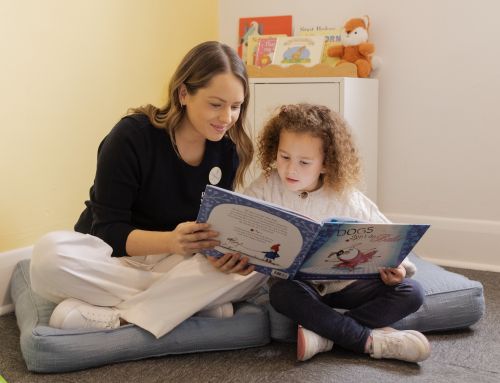
A typical Speech Pathology session looks different for every child and every goal! Regardless of the goal, sessions should be play-based and fun, celebrating your child’s individual strengths and interests. Many parents wonder what to expect before their child’s first session—will it be structured? Will my child need to sit still? Will it feel like a classroom lesson? The good news is that speech therapy is highly engaging and tailored to your child’s unique needs! This guide will walk you through what happens in a typical session, from the initial assessment to ongoing therapy.
What should I expect from an initial speech therapy session?
An initial session looks like a whole lot of information gathering, and play! It is an expectation that the parent is present for this session. Your therapist will ask lots of questions, getting a strong understanding of your child’s areas of needs. This helps ensure therapy is targeted and effective from the very beginning.
What kind of questions will the therapist ask?
- Developmental milestones: When did your child say their first words? Are they putting words together into sentences?
- Involvement of other health professionals: Has your child seen an occupational therapist or paediatrician?
- Areas of concern: Does your child struggle with pronunciation, following directions or social interaction?
Whilst your child may come in with only one area of need (e.g. pronunciation), it is normal for your clinician to ask about a whole range of areas, including speech, expressive language, comprehension of language, feeding and social communication. This ensures that the therapist has a holistic picture of your child’s development.
The clinician will spend some time engaging with your child through play-based activities or structured tasks. Depending on the child’s age and needs, this might include:
- Getting down on the floor playing with a younger child
- Administering a speech sound screener to look at speech pronunciation
- Using silly pictures to evaluate your child’s vocabulary and sentence structure
- Having a conversation with a child to look at the fluency and potential stutter
- Beginning a formal assessment to provide information for school and/or funding applications
- Building words, writing sentences or reading books to look at literacy levels
But my child is super shy, what should I do?
Our clinicians are experts in providing a warm and friendly atmosphere, but we know sometimes a new environment can be challenging. We take a child-led approach, meaning we follow your child’s interests and comfort level.
For younger children, assessment is play based and involves the caregiver. Some tips for getting the most out of an initial assessment with a reserved child include:
- Emailing through a list of preferred activities prior to the appointment. That way your clinician can have something highly motivating ready to go!
- Bringing in a preferred toy from home.
- Having some videos or photos of your child ready to show your clinician. This is especially helpful if your child’s presentation in the session is different from how they communicate at home. Your clinician can use this information to assist with goal-setting and recommendations.
My child is a bit older, and feels upset when I talk about them, how do you approach this?
This is a totally normal reaction and we want to ensure your child feels comfortable and confident. Our initial sessions are flexible and are designed to best support your child. Some ways around this might be:
- Emailing reports and background information to the clinician prior to the appointment. This allows us to minimise the need to talk about difficulties in front of your child.
- Having a parent only session prior to your child’s first session.
- Allowing your child to take an active role in setting therapy goals. When children feel involved, they are more engaged in the therapy process!
What happens after the initial session?
Your therapist will write a report based on the case history and observations which forms the baseline for our therapy journey together. This report will be shared in the first therapy session, identifying goals speech pathologists can support your child with.
Therapy sessions will begin, targeting goals outlined in the report. In general, it is preferred that parents are present in the sessions, supporting parent education and home practice.
Session structure varies depending on your child and their goals, however will always include the following:
- A check in, where you and the clinician discuss how the child has gone with home practice/give any other updates. Depending on their age, the child might also be involved in this discussion.
- Goal directed therapy activities, such as language modelling in play (for late talkers), speech sound practice with games as motivation, smooth speech practice or literacy based activities. We encourage parents to be involved in this.
- Summary of the session and a clear plan for home practice. This might look like a list of words to target, a certain strategy to focus on or some hard copy activities to do.
FAQs About Speech Therapy Sessions
How long does a session last?
At Play With Words, the initial session is 60 minutes and ongoing sessions run for 45 minutes.
How often should my child attend therapy?
Most children attend weekly or fortnightly sessions, depending on their individual goals.
How long will my child need therapy?
Progress varies based on the child’s needs and home practice. Some children make quick gains in a few months, while others require longer-term support.
What if my child doesn’t want to participate?
Our therapists use child-led strategies to engage even the most hesitant learners. We adapt our approach to match their comfort level and include their interests and preferences.
Want to know more?
If you have any questions or think your child may benefit from support, contact our team at Play With Words today. We’re here to help your child thrive!