Speech Therapy Services for Kids

We know that choosing the right speech therapist for your child can feel overwhelming. You want someone who is not only approachable but also skilled at building a connection with your child while using evidence-based practices. At Play With Words, our therapists prioritise these qualities, providing a professional and caring service tailored to your child’s needs.

Early intervention is key to supporting your child’s development. If you have any concerns, we’re here to help.

Making Therapy Fun, Accessible and Effective

Our skilled paediatric speech therapists in Camberwell offer individualised care for all children ages 0-12. Whether your child has a formal diagnosis or would benefit from support working towards milestones, we are here to support you.

Our Speech Therapy Services
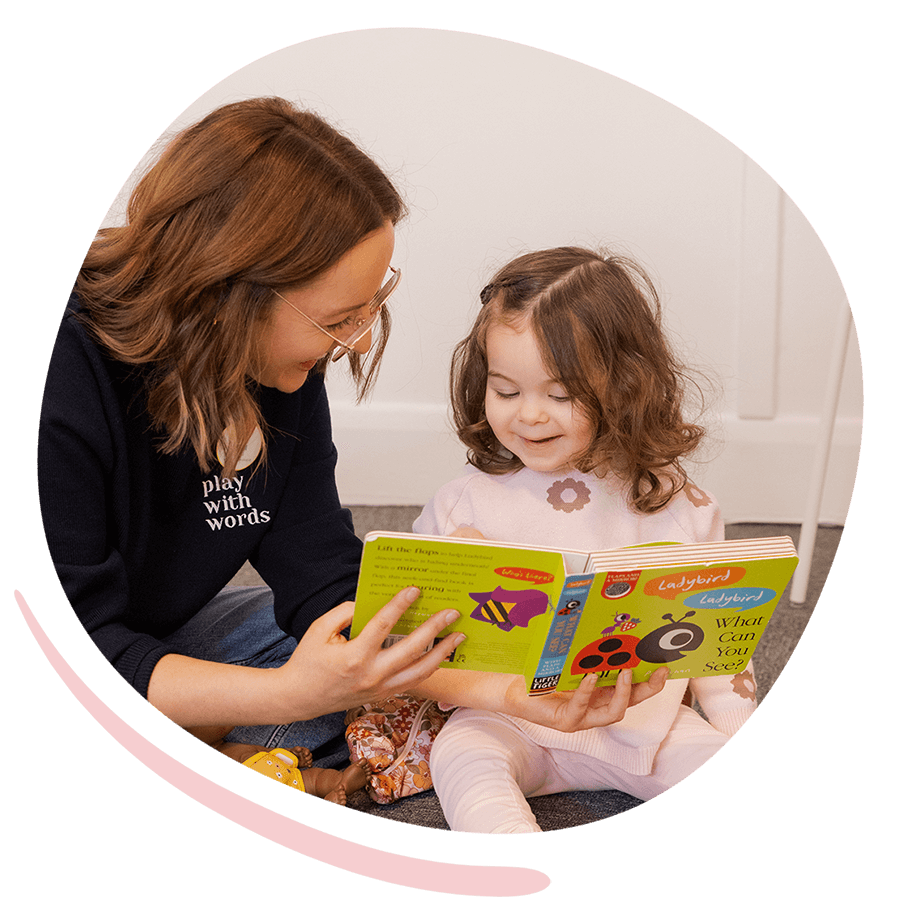
Individual Therapy

Each speech therapy session is 45 minutes in duration and is typically scheduled on a weekly or fortnightly basis, depending on your child’s needs and goals.

We can help with:

Early language development covers a child’s journey from their first words to building a vocabulary and forming 2- to 3-word phrases. This often looks like children who understand everything others say, but use fewer words than expected for their age. Our aim is to encourage natural, meaningful communication through play.

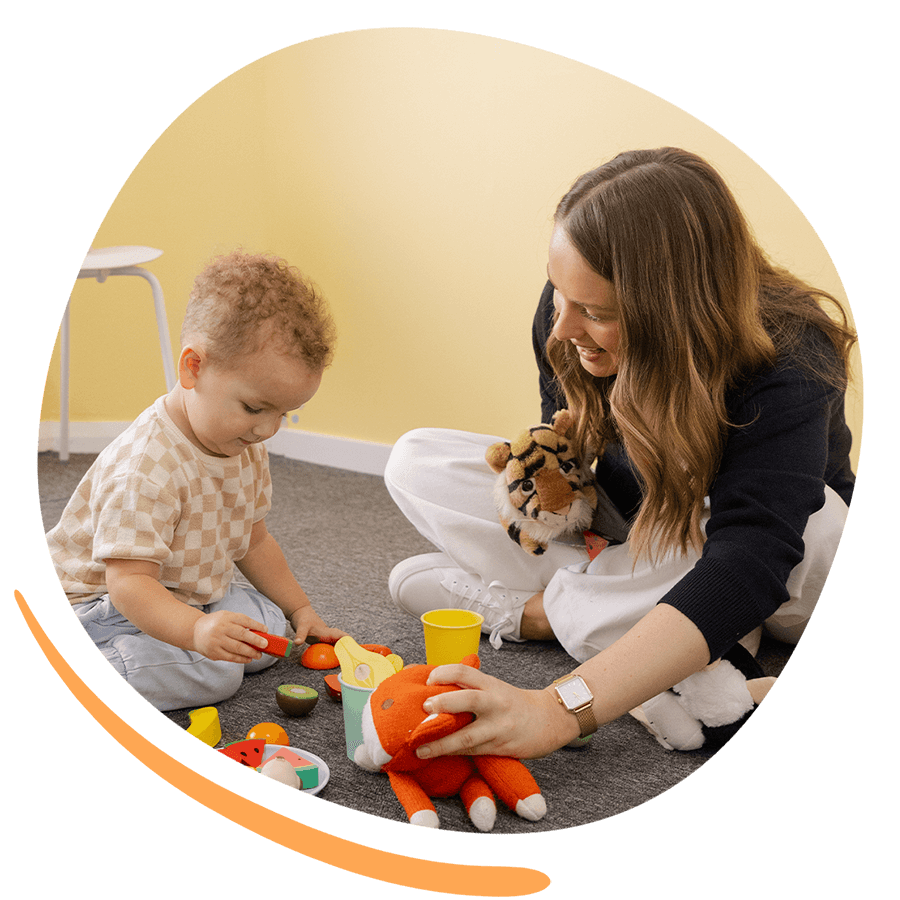
At Play With Words, our early language sessions are entirely play-based, making the experience enjoyable for our little clients who love coming in to play! Our skilled therapists will work with you, offering evidence-based strategies to support your child’s language development. These strategies are practical, tailored to your family’s lifestyle and aligned with your child’s current language skills.

You’ll also receive written information with our evidence-based strategies to take home. Our goal is to empower you with functional techniques that can be easily integrated into your daily routines—whether during playtime, getting dressed, having breakfast, or bath time.

Speech refers to the sounds we use to form words. If your child’s pronunciation of a word sounds different to how you say it, they might be making a speech error. Speech errors are part of typical speech development. As children begin to speak, they often simplify their speech. These errors typically disappear as your child’s speech develops.

Speech errors can be categorised as:

  • Age-appropriate, meaning this sound usually develops later and your child is likely still developing it, or
  • Not age-appropriate, meaning that by your child’s age, most children can use this sound correctly.

At Play With Words, we assess speech development based on developmental norms (what’s age appropriate) and consider how these errors impact your child. For instance, we look at whether the errors are making it hard for others to understand your child or causing your child frustration. If therapy is needed, we may take a play-based or tabletop approach, or a combination of both, depending on what will benefit your child most.

You will receive a homework folder with structured activities to work on between sessions.

Language refers to the words and sentences we use to communicate and their meaning.

Expressive language is the ability to express thoughts, ideas and feelings through spoken words, written words or gestures. Depending on your child’s needs, goals might include expanding vocabulary, using correct pronouns or prepositions, improving sentence structure, or mastering verb tenses, among other skills.

Receptive language is the ability to understand language. This includes following instructions, answering questions, and understanding the storyline in a book.

At Play With Words, we may use informal screeners or more formal, standardised assessments to understand your child’s language profile—their strengths and areas that need support. Our therapists will then apply a range of evidence-based strategies to support their language development. You will receive activities and strategies to practise at home, ensuring the skills developed in the clinic carry over into everyday life.

Literacy is the ability to read, write and understand written language.

Literacy is an essential skill for everyday life. Children need to be able to read menus and signs, write messages, emails, cards, and stories. It is crucial for academic success and also provides the opportunity for them to enjoy reading.

Blending, segmenting, and manipulating sounds are key foundations of reading and spelling. At Play With Words, we use an evidence-based, synthetic phonics approach called Sounds~Write to teach these essential literacy skills. Alongside phonics, we also support reading comprehension skills.

You will receive a homework folder that will be added to after each session. Homework is vital to ensure the skills learned in the clinic are carried over into everyday life.

Childhood Apraxia of Speech (CAS) is a motor speech disorder. It occurs when children have difficulty coordinating the motor movements required for speech. This often results in speech that is difficult to understand. CAS requires specialised, individualised and intensive therapy, that is highly tailored to your child. At Play With Words, we have clinicians that are experienced with evidence-based approaches to support children with CAS. We consider what will best suit your child and their goals, offering therapy approaches such as:
  • Rapid Syllable Transition Treatment (ReST)
  • Dynamic Temporal and Tactile Cueing (DTTC)
  • The Nuffield Approach
Your child’s therapy may include one or a combination of these approaches, depending on their needs. We also provide home practice activities after each session, ensuring your child continues their learning at home.

Fluency refers to the flow and ease of speech. Stuttering refers to atypical disruptions to the flow of speech. Stuttering behaviour includes:

  • Repetition of sounds, syllables, words or phrases
  • Prolongations or stretching of a sound
  • Blocks or an uncontrollable pauses in speech

The exact cause of stuttering is unknown, but it can be hereditary. Children aged 3 to 4 years old might experience a period of “developmental stuttering”. If this persists for more than 6 months or there is a family history of stuttering, intervention is highly recommended.

At Play With Words, we use the Lidcombe Program to reduce stuttered speech. This approach involves our skilled therapists training you, the child’s caregiver, to verbally respond to your child’s speech, whether fluent or not, to help reduce stuttering. A homework folder will be provided along with strategies, techniques and structured activities to practise at home.

Group Therapy

We offer play and interest-based groups during school holidays. Our groups are specifically designed to provide the opportunity for children to engage with peers in a supportive environment.

Contact us directly to find out about our upcoming groups in the next school holidays. Our group programs include:

Our Get Set for Prep group is specifically designed for children starting Prep next year. It is run by Claire, one of our directors and a previous early years primary school teacher, as well as one of our speech pathologists. The small-group learning environment is similar to classroom learning and assists us in identifying strategies that would be useful to support your child with their transition to school.

What is the focus?

  • Listening skills and following instructions within a group
  • Classroom routines
  • Independence in seeking help and clarification
  • Social skills such as sharing and turn taking
  • Language to explain, discuss and play with peers
  • Fine motor and pre-writing skills

What is it?
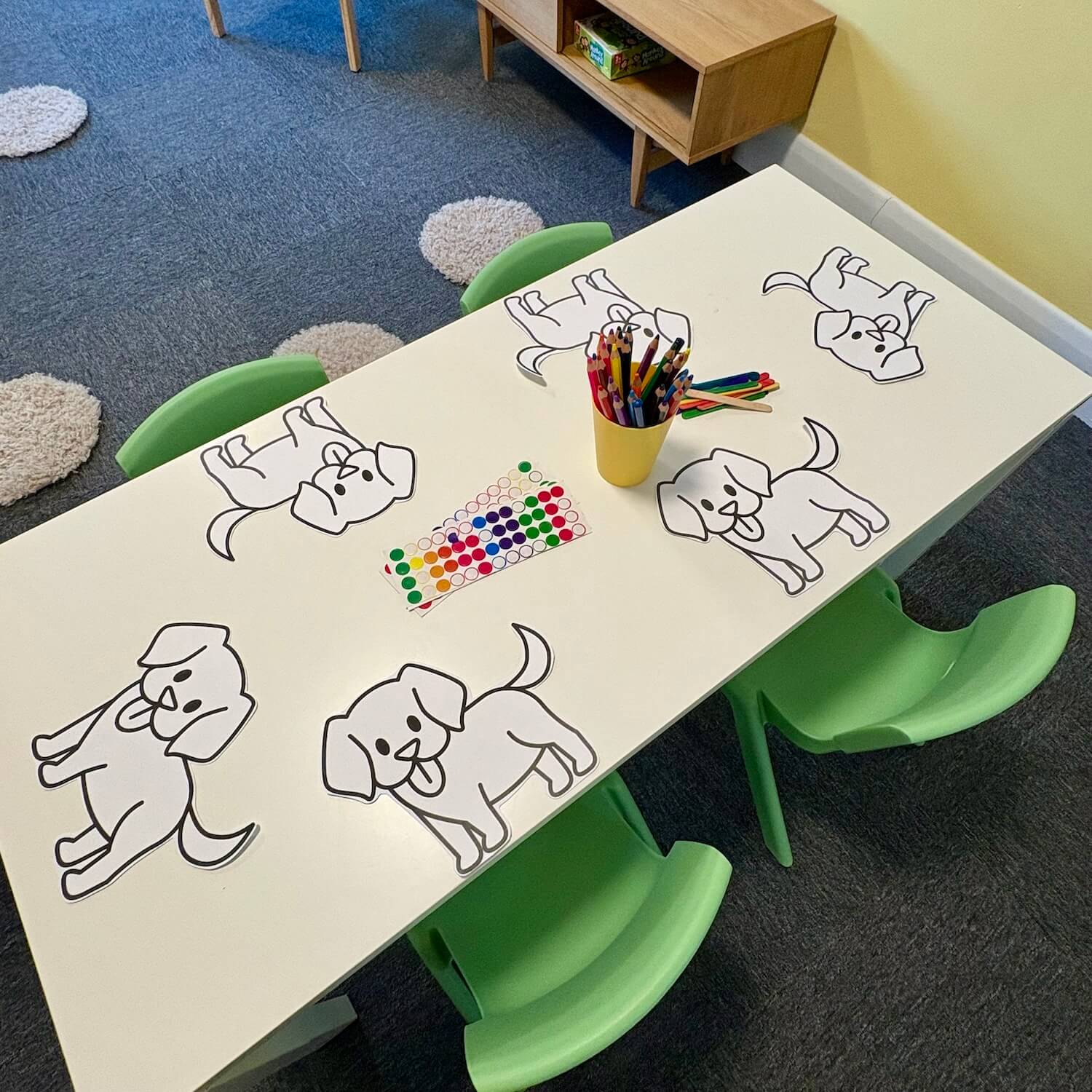
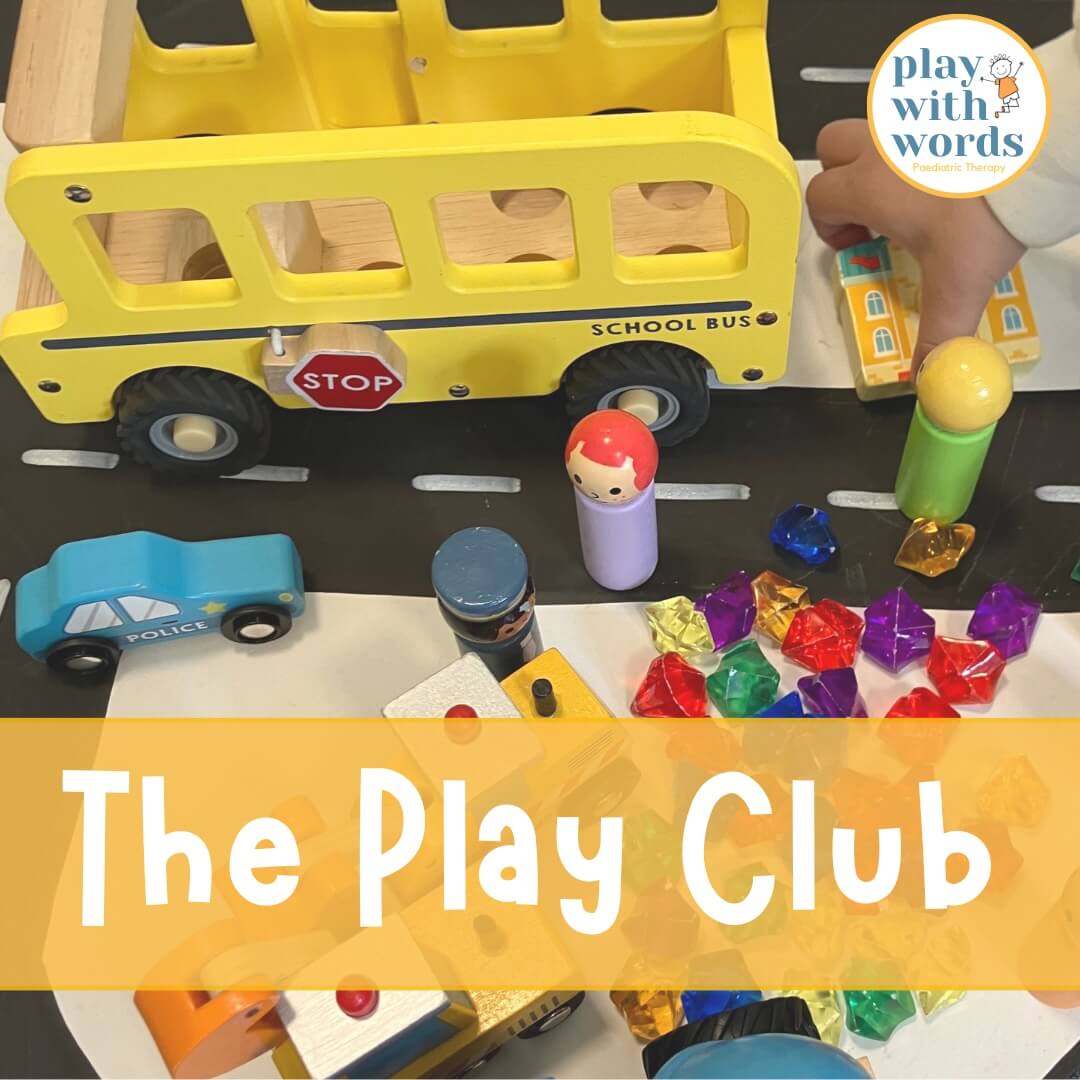
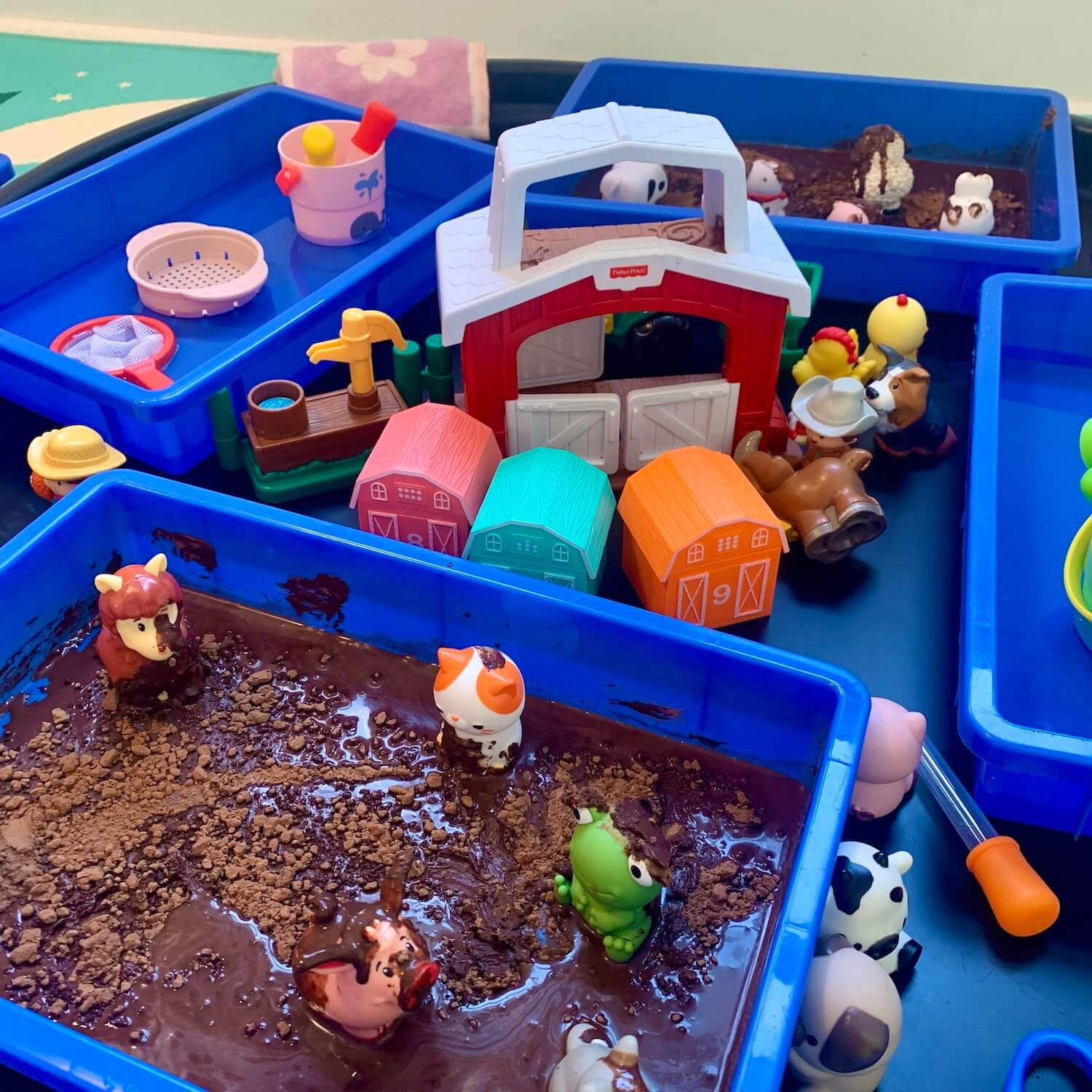
A group creates engaging, play-based activities for children to explore. The goal is to make talking fun, helping children to naturally develop their communication skills.

Who is it for?
Specifically designed for young learners (3+) who are building their language skills. Our experienced therapists will use evidence based strategies to model and encourage language use in a relaxed, no-pressure environment.
What is it?
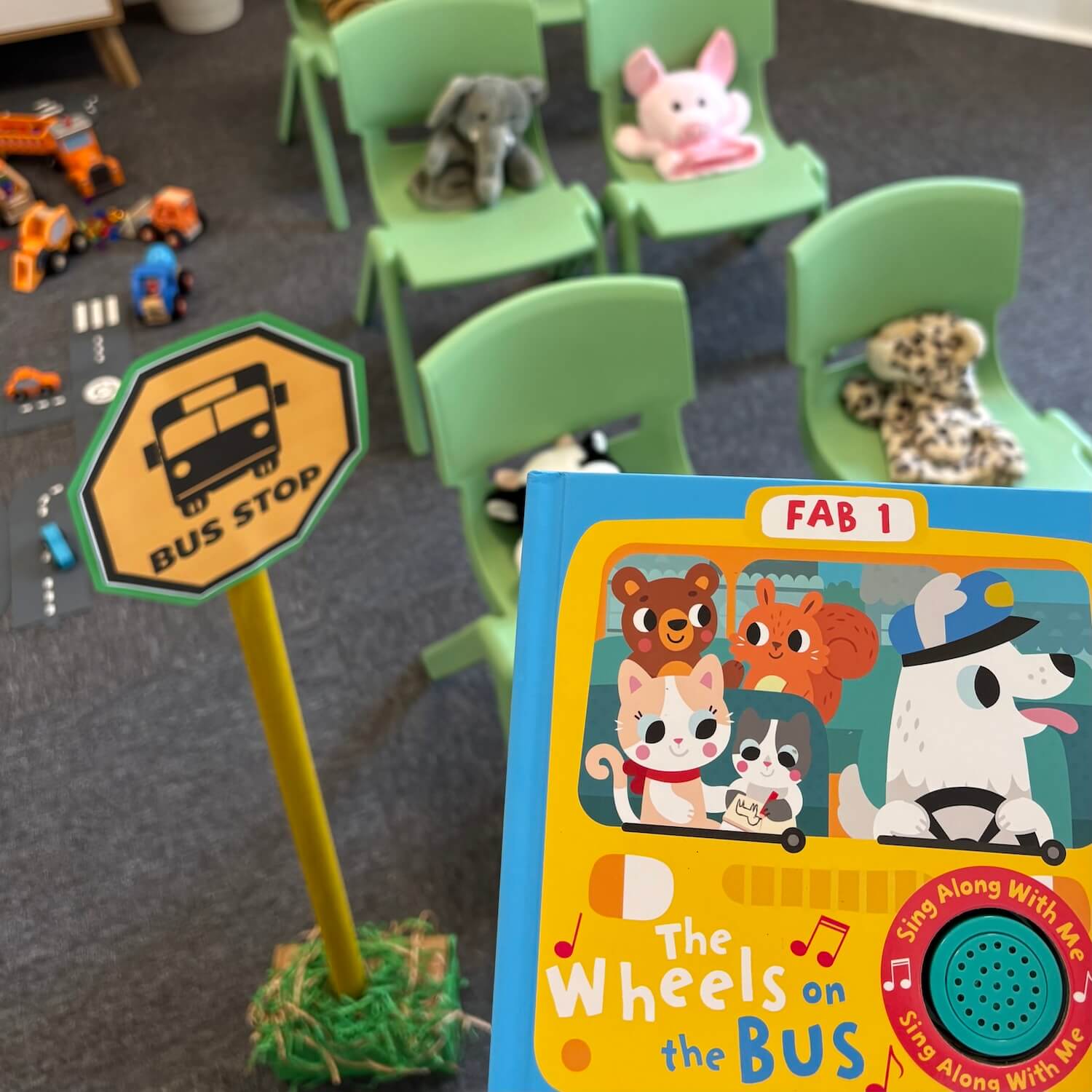
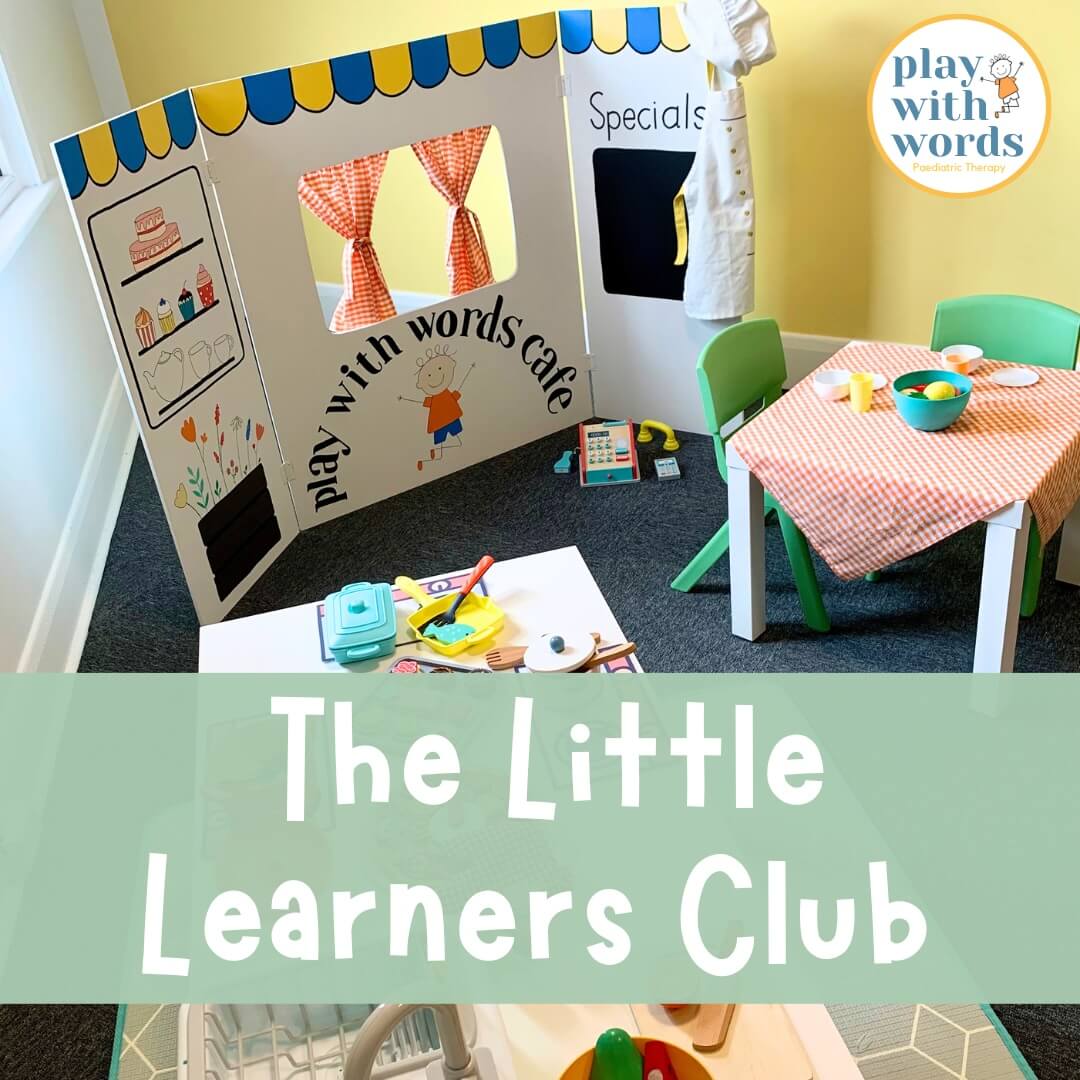
A group that incorporates unstructured play alongside book reading, turn taking games and crafts. It aims to support children to play cooperatively and build connections with peers.

Who is it for?
Specifically designed for our little learners who will be starting school the following year and whose goals are focused on connecting with peers, participating as part of a group, following a structure and taking turns/sharing.
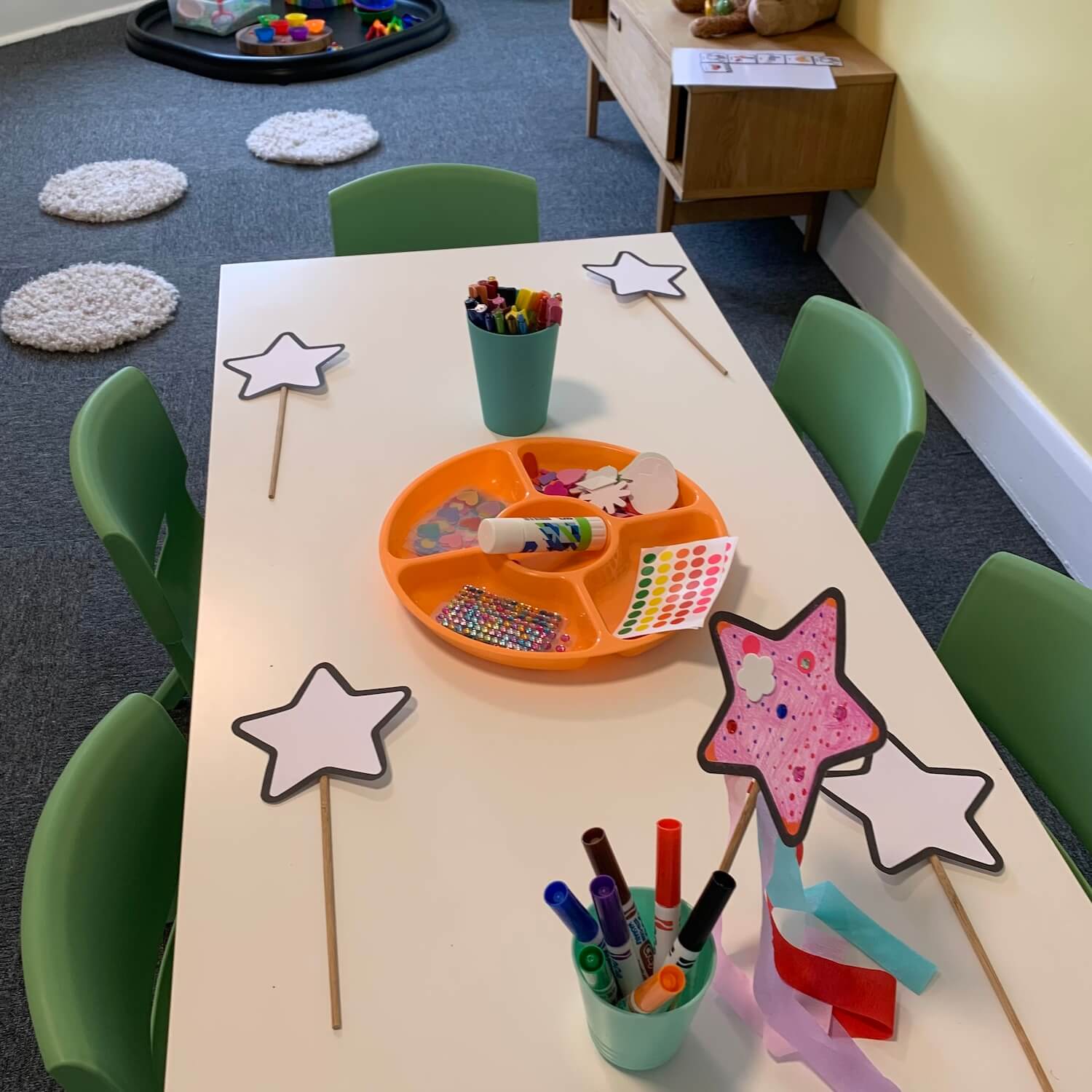
What is it and who is it for?
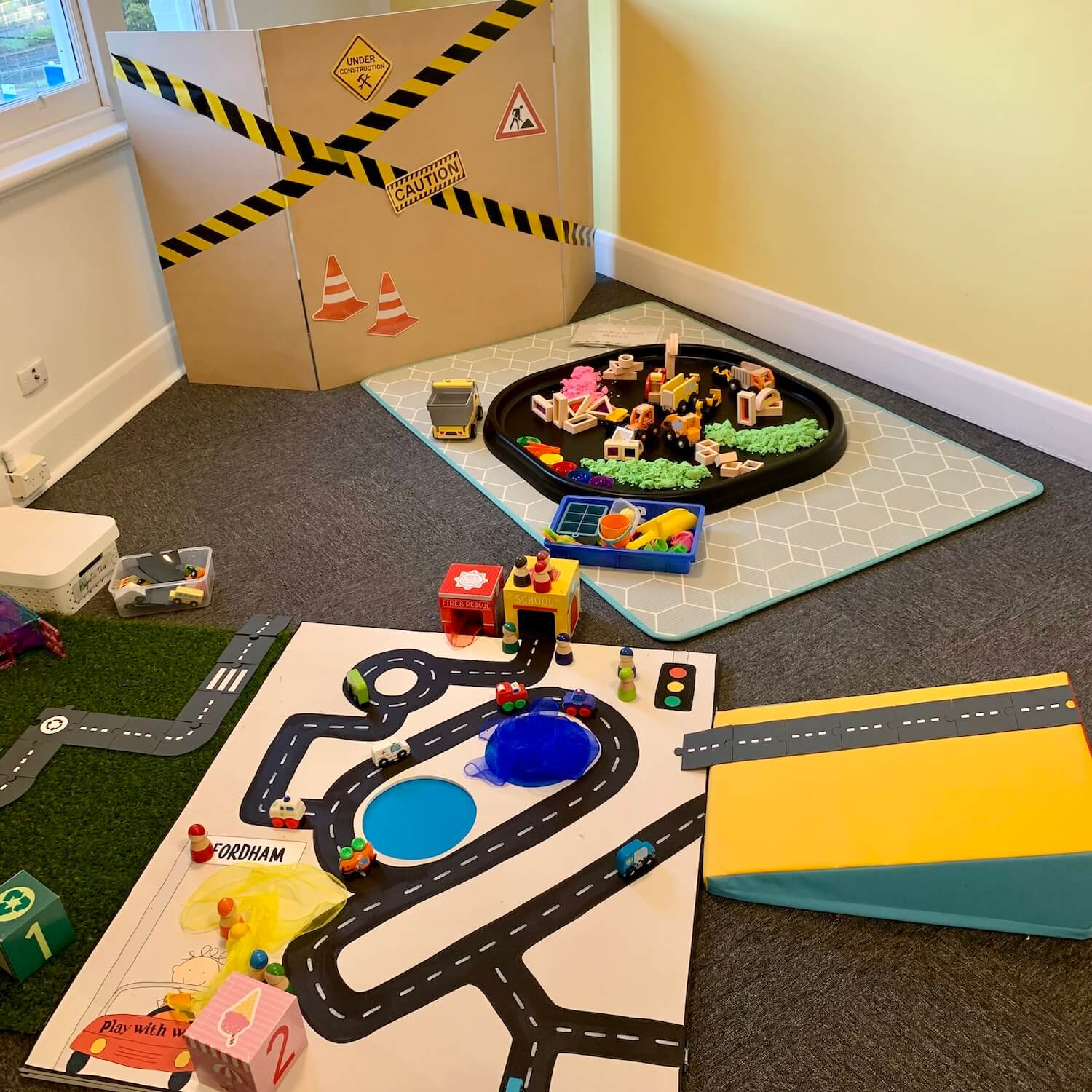
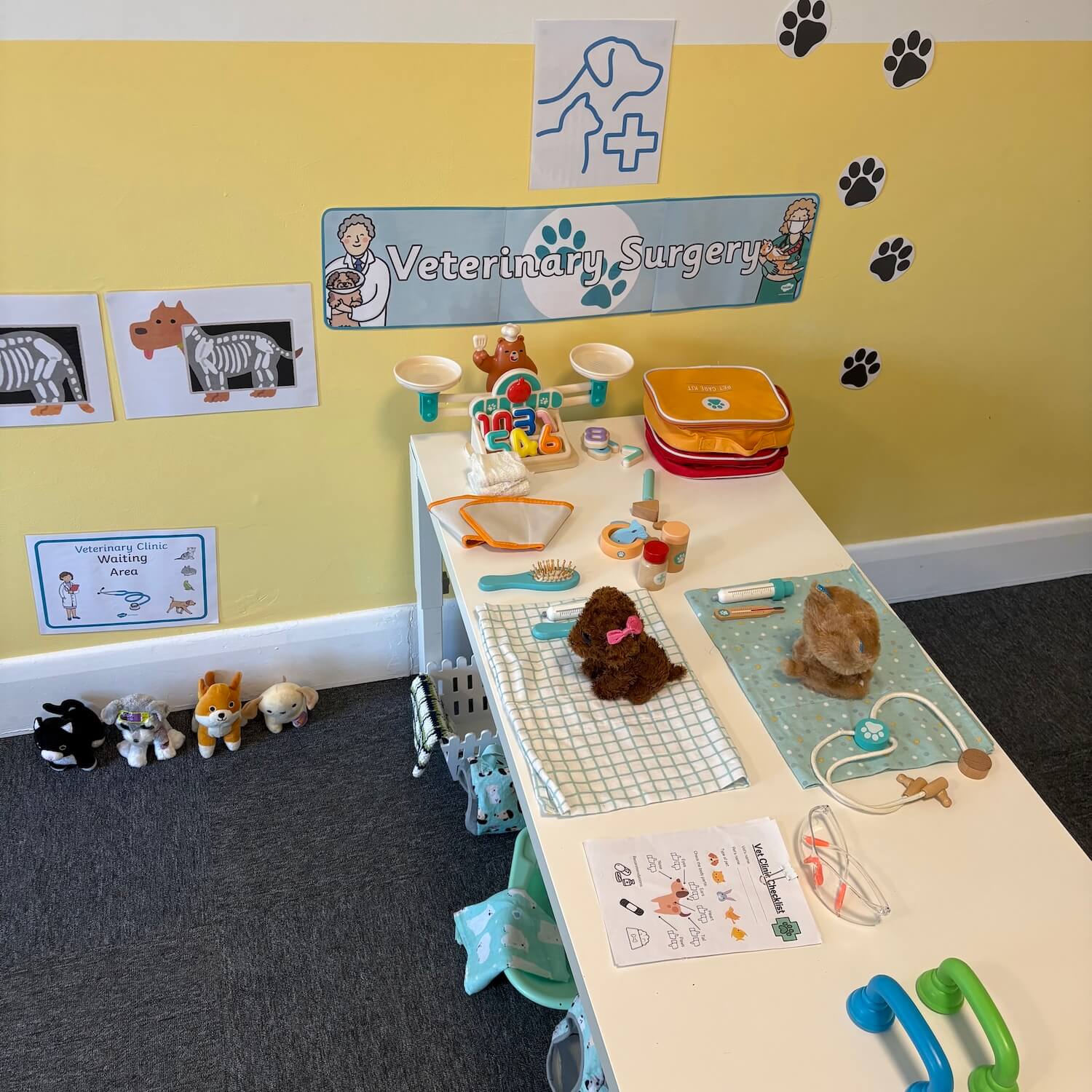
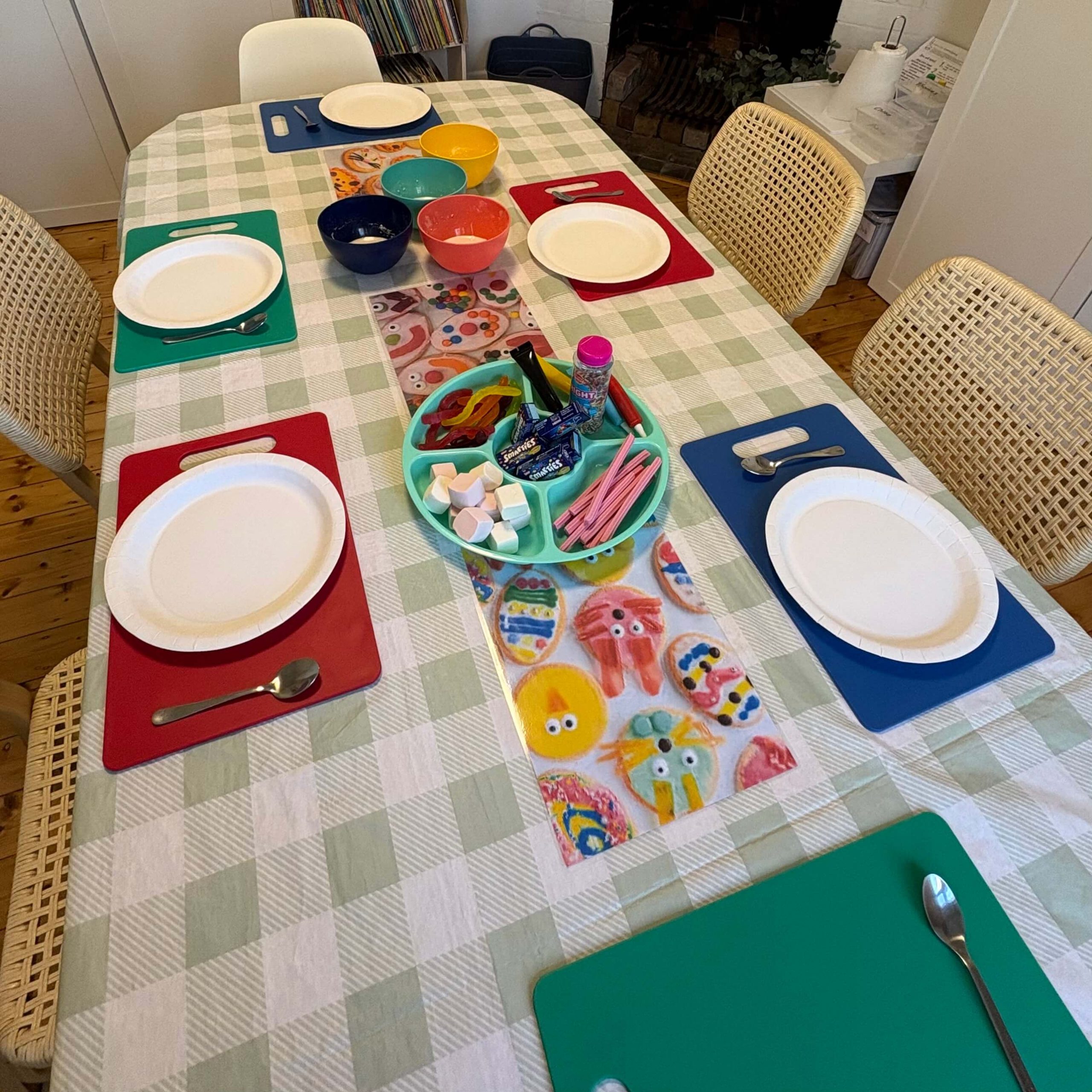
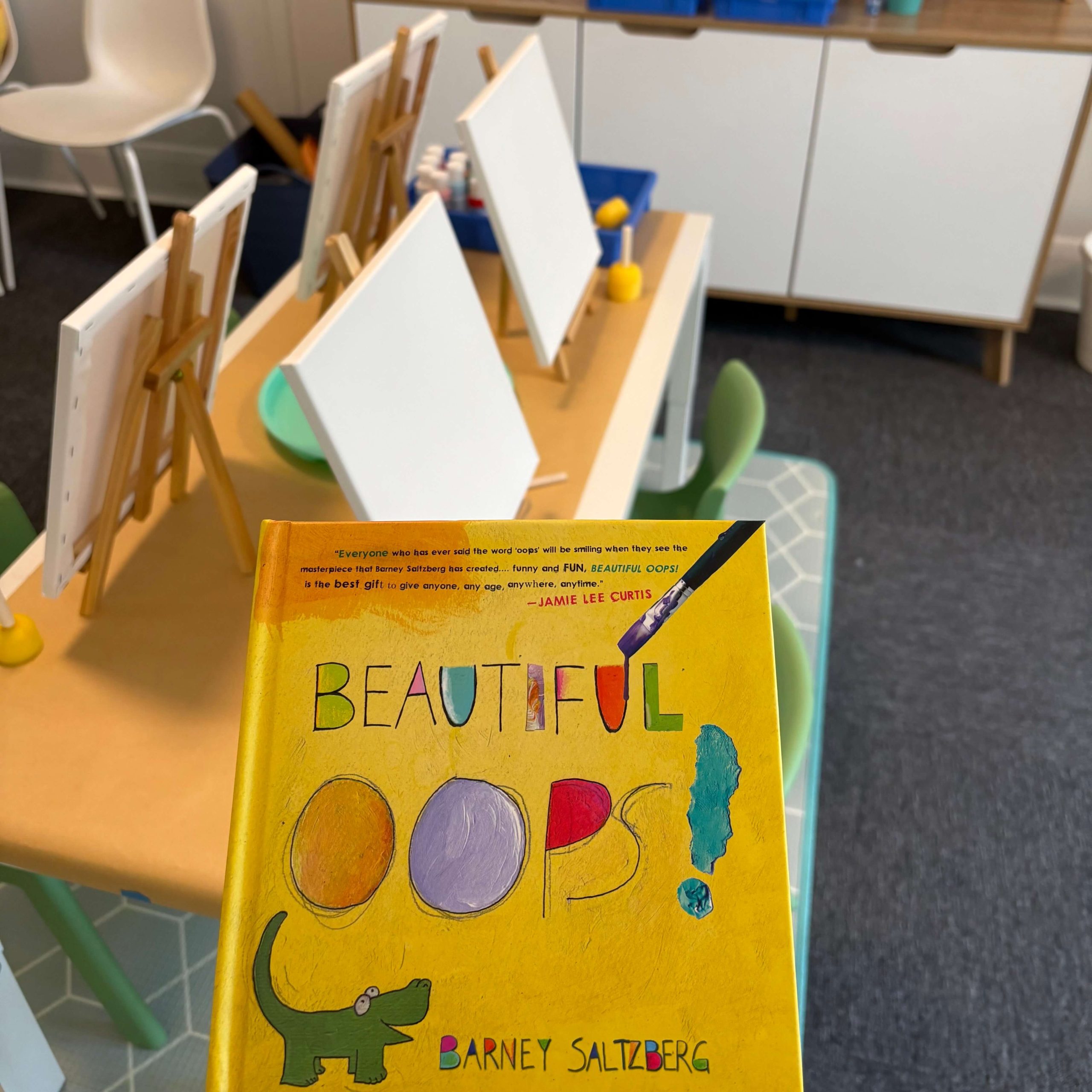
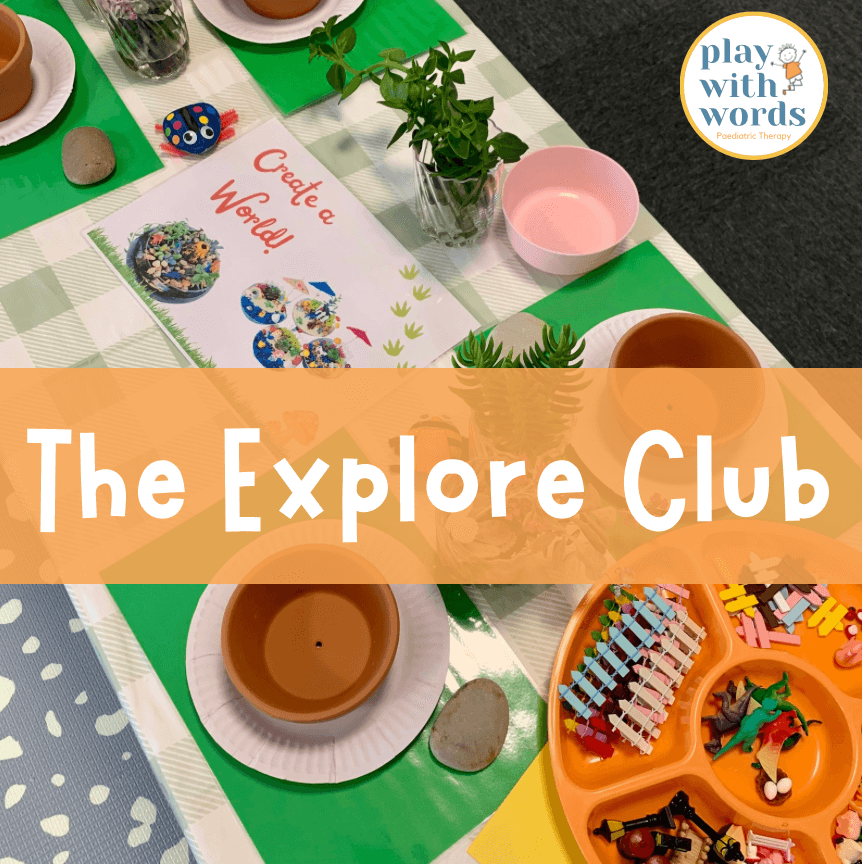
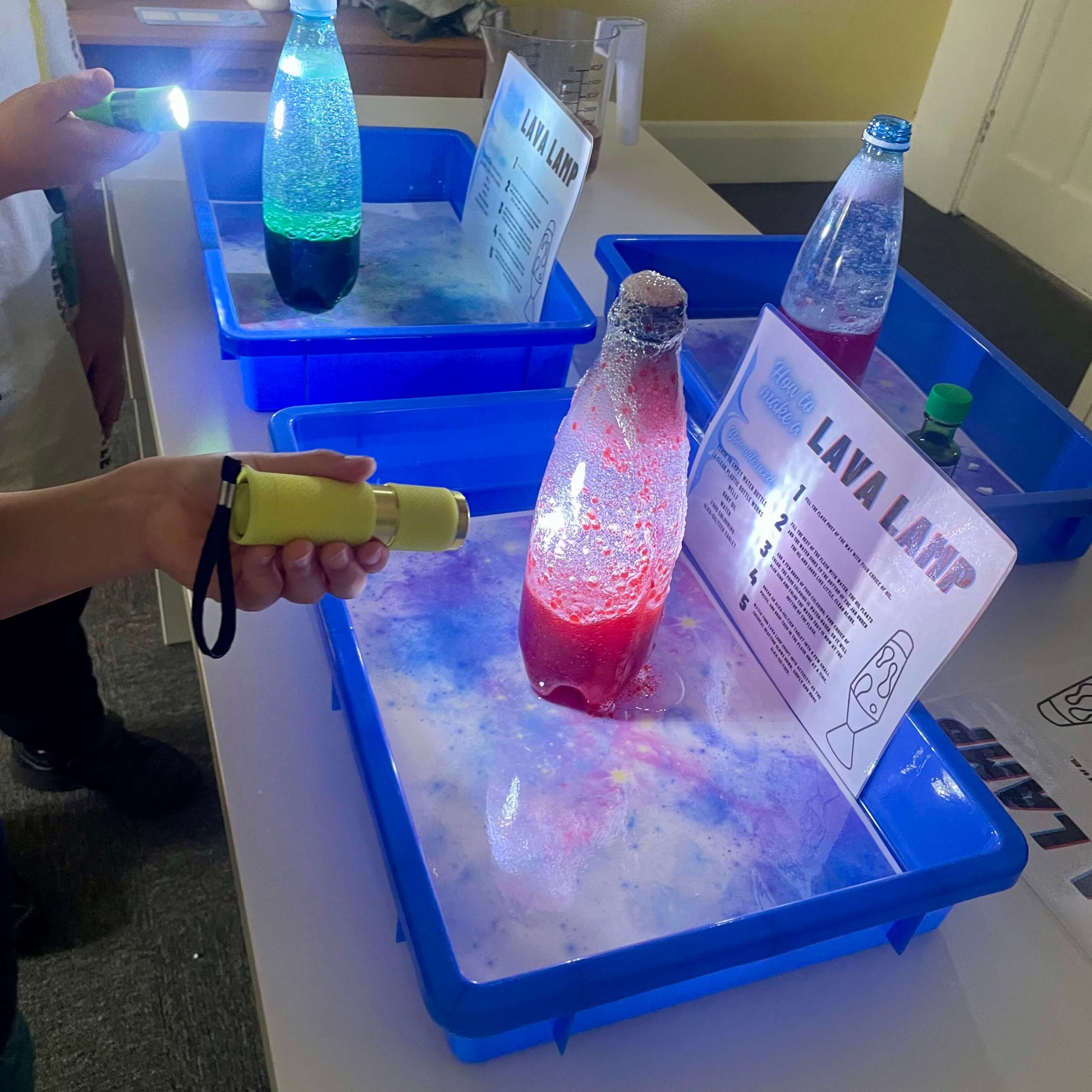
A group designed to provide an opportunity for early primary school-aged students (Prep-Year 2) to meet and connect with peers. Through cooperative play, problem-solving, and creativity, children will engage in fun activities. Each session features a unique theme for an in-depth, hands-on exploration.
speech therapy assessment melbourne

Assessments

Assessing your child’s communication skills is an essential first step. It helps us to:

  • Determine if your child is meeting milestones
  • Identify the need for therapy
  • Set meaningful goals
  • Provide recommendations
  • Establish a baseline to track progress

At Play With Words, our first session allows us to observe your child as they play or interact with your therapist. We will gather a detailed case history from you to fully understand your child’s needs. We may undertake some quick speech or language screeners. Together, this information guides us in identifying the right therapy approach and how we can best support your child.

We also offer further more formal, standardised assessments to assess language and literacy, especially as children reach school age.

School and Kinder Observations / visits

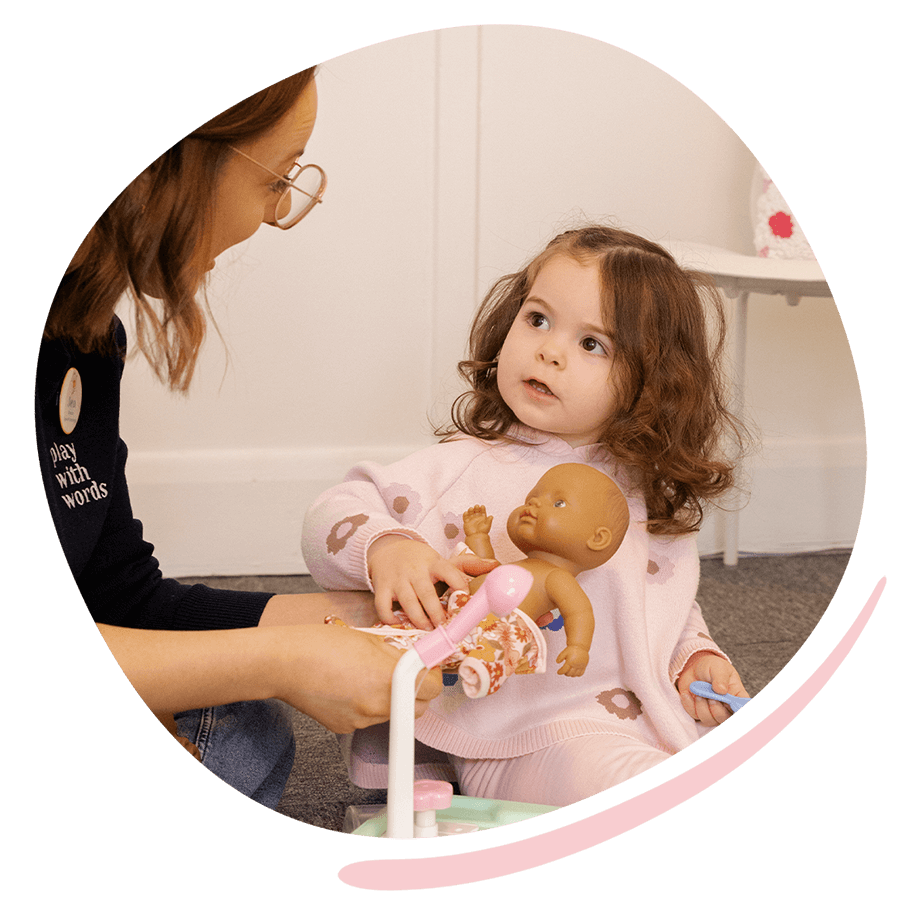
Consistency is key to successful therapy, so we often recommend visits to your child’s childcare, kindergarten or school. These visits help us support your child’s educators in implementing strategies and recommendations.

We’ll discuss the frequency of these visits with you to ensure the best outcome for your child.
kinder observations

Let’s get started!

Getting started with us is easy. Here’s an outline of what it’ll look like.

Reach out

Get in touch with us. We’ll give you a call within two business days to discuss your needs and determine if we’re the best fit for you and your child. If everything aligns, we’ll schedule your first appointment!

Step 2

Initial session

In the first session, you and your child will attend together. While your child plays or engages in activities, you’ll provide a comprehensive case history. Your therapist will then engage with your child, observing them or undertaking any necessary screeners.

step 3

Report and goal setting

After gathering all the information from the initial session, we’ll prepare a summary report. This report will help us determine the need for therapy and set goals for your child. If further assessments are recommended, we’ll discuss the next steps with you.

step 4

Therapy sessions

Based on the goals we identify, your therapist will recommend the frequency of sessions. Weekly or fortnightly sessions are typically suggested, allowing time for home practice while maintaining the momentum of therapy.

FAQs

Our skilled team of speech pathologists are passionate about helping children thrive. We support speech, language, literacy, fluency, and feeding skills in children aged 0-12. At Play With Words, our approach is centred on creating a safe, fun, and child-focused environment, with your child’s strengths and interests at the heart of everything we do.

If you’re looking for a clinic where your child’s needs are understood and their progress is celebrated, Play With Words could be the perfect fit for your family. We’re here to support you every step of the way and we’d love to partner with you on your child’s journey to reaching their communication or feeding goals.

If your child is experiencing challenges with speech, language, literacy, fluency, or feeding, speech pathology can provide valuable support. Whether your child has a formal diagnosis or you have noticed areas where they could use a little extra help, our team at Play With Words is here to guide you.

Early intervention is key for all communication and feeding difficulties, so we encourage you to reach out as soon as possible. An initial session with one of our speech pathologists can help assess your child’s development and determine if therapy would be beneficial.

It’s a good time to reach out to a speech pathologist if you notice any challenges with your child’s speech, language, literacy, fluency, or feeding. Sometimes a GP, Maternal Child Health Nurse or kinder teacher may highlight areas where your child is finding things a bit harder than their peers. Alternatively, as a caregiver, you might also be wondering if everything is on track.

Early intervention is important. We recommend reaching out as early as possible for an initial session to assess your child’s development and determine if therapy could be beneficial.

No, you don’t need a referral to see a speech pathologist. If you’re eligible for a Medicare rebate, you’ll need a Chronic Disease Management Plan (CDMP) from your GP to access it.

Research shows that children learn best and most quickly through play, so we design each session around your child’s goals and interests. For younger children, we typically use a play-based approach, while a more structured tabletop approach might be used for older children as they progress through school. Our skilled therapists will actively engage your child in activities and demonstrate strategies to you, making the experience both effective and enjoyable.

For the initial session, you will attend with your child to provide a comprehensive case history. If you prefer that your child not be present for this session, we can accommodate that request. However, please note that in this case, the second session will be used for the speech pathologist to observe, interact with, and conduct any screeners before writing the report.

For ongoing therapy, we generally recommend you attend with your child. This allows you to learn how to support home activities and continue with strategies. However, we also understand that some children benefit from having therapy sessions without a parent/guardian in the room, and we can easily adjust to meet those needs.

During the initial session, your child’s speech pathologist will gather baseline information. This may include data from your case history, observations of your child’s play and interactions, or informal screeners. In some cases, formal standardised assessments (such as the CELF) may be used, although these will not be conducted during the initial session.

Throughout therapy, the speech pathologist will consistently record and track progress in relation to your child’s goals. We will regularly monitor and discuss your child’s progress with you to ensure we’re on the right track.

Generally, there will be an initial session fee, a report fee and then ongoing session fees. The number of sessions your child will need is dependent on their goals, the number of goals they have and their response to therapy. Please reach out and we will happily share our current fee schedule with you, which outlines all our fees.

Funding

Your child may be eligible for NDIS if they:

  • Have ongoing difficulties across multiple areas of development.
  • Are an Australian citizen or have permanent residency.

For further information please refer to the NDIS website.

At Play With Words Paediatric Therapy, we offer services under the National Disability Insurance Scheme (NDIS) for self-managed and plan-managed participants. We do not accept NDIA-managed participants. If you wish to change your funding arrangement, please contact your Local Area Coordinator.

The GP Chronic Condition Management Plan (GP CCMP) is a Medicare initiative available for children and adults with chronic care needs. This plan provides Medicare rebates for up to 5 sessions of allied health therapy, including speech pathology, each calendar year. These sessions can be used entirely for speech pathology or shared with other allied health services, such as audiology (for hearing tests) and occupational therapy.

To find out if your child is eligible for this rebate, please consult your GP. We will then require a copy of your care plan before the first session that you wish to claim.

If you have Private Health Insurance with “extras,” you may be eligible to claim a rebate for speech pathology sessions. Coverage details vary by provider and plan, so we recommend contacting your provider directly for information.

For reference, the private health codes are:

  • Initial session: item number 320
  • Ongoing therapy session: item number 350

Start your journey with us!

Get in touch with us to start the conversation. We’d love to hear more about your child and explore how we can support their speech therapy journey.